High Level Cleaning in the North East
We remove dust and build-up from hard-to-reach areas in commercial and industrial buildings. Based in Jarrow, Tyne & Wear, serving the North East, we agree the cleaning scope and schedule with you before work starts.
Book a free site survey
What’s included
- Beams, ledges and overhead structures
- Racking tops and accessible ceiling areas
- Cladding and other agreed high-level surfaces
- Access equipment selected for the site
- Trained operatives and planned work areas
Cleaning the surfaces routine maintenance cannot reach
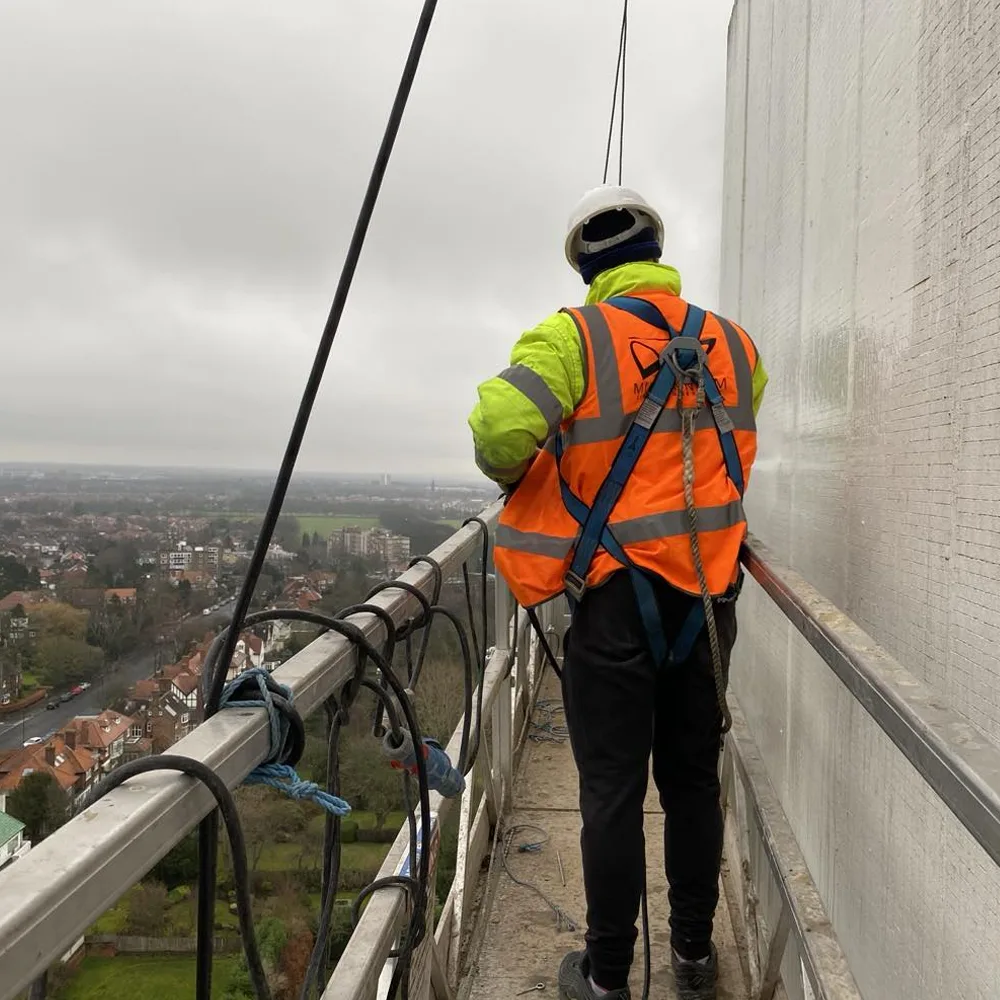
High-level dust and dirt can remain out of sight while a building is cleaned regularly at floor level. Beams, roof structures, ledges and the tops of racking need their own assessment because reaching them safely is part of the task. Millennium Cleaning Services provides high-level cleaning for industrial and commercial premises across the North East, working from our Jarrow base.
A useful high-level cleaning brief identifies both the surfaces above and the activities below. We ask what the building is used for, what kind of build-up is present and whether the area can be released from normal operations. This lets us plan the cleaning and access together, instead of arriving with equipment that cannot travel through the building or operate in the space available.
High-level cleaning services for your building
The precise scope depends on the construction, condition and use of the premises. During a free site survey we can discuss the following areas and establish the limits of the work.
Beams, ledges and overhead structures
Structural steelwork and high ledges can collect settled dust that is difficult to see from below. We consider the type of deposit and the sensitivity of nearby equipment before selecting a removal method. Accessible surfaces are listed in the proposal, with attention to corners, obstructions and places where debris could be displaced onto stock or people.
Racking tops and warehouse roof spaces
Racking layouts create narrow working routes and changing access conditions. Stock heights, cross aisles and floor condition affect what can be reached. Your warehouse team helps identify the bays that can be released and the goods requiring protection. We plan the sequence around those constraints rather than assuming an empty building or unrestricted vehicle movement.
Cladding and other elevated surfaces
Internal or external cladding needs a method appropriate to its finish and condition. We assess joints, coatings, adjacent services and any known water-ingress concerns. Cleaning is not a repair to damaged panels or sealants. Where there are fragile materials, uncertain surfaces or restricted access, the limitations must be resolved before the work proceeds.
Selecting access equipment after the survey
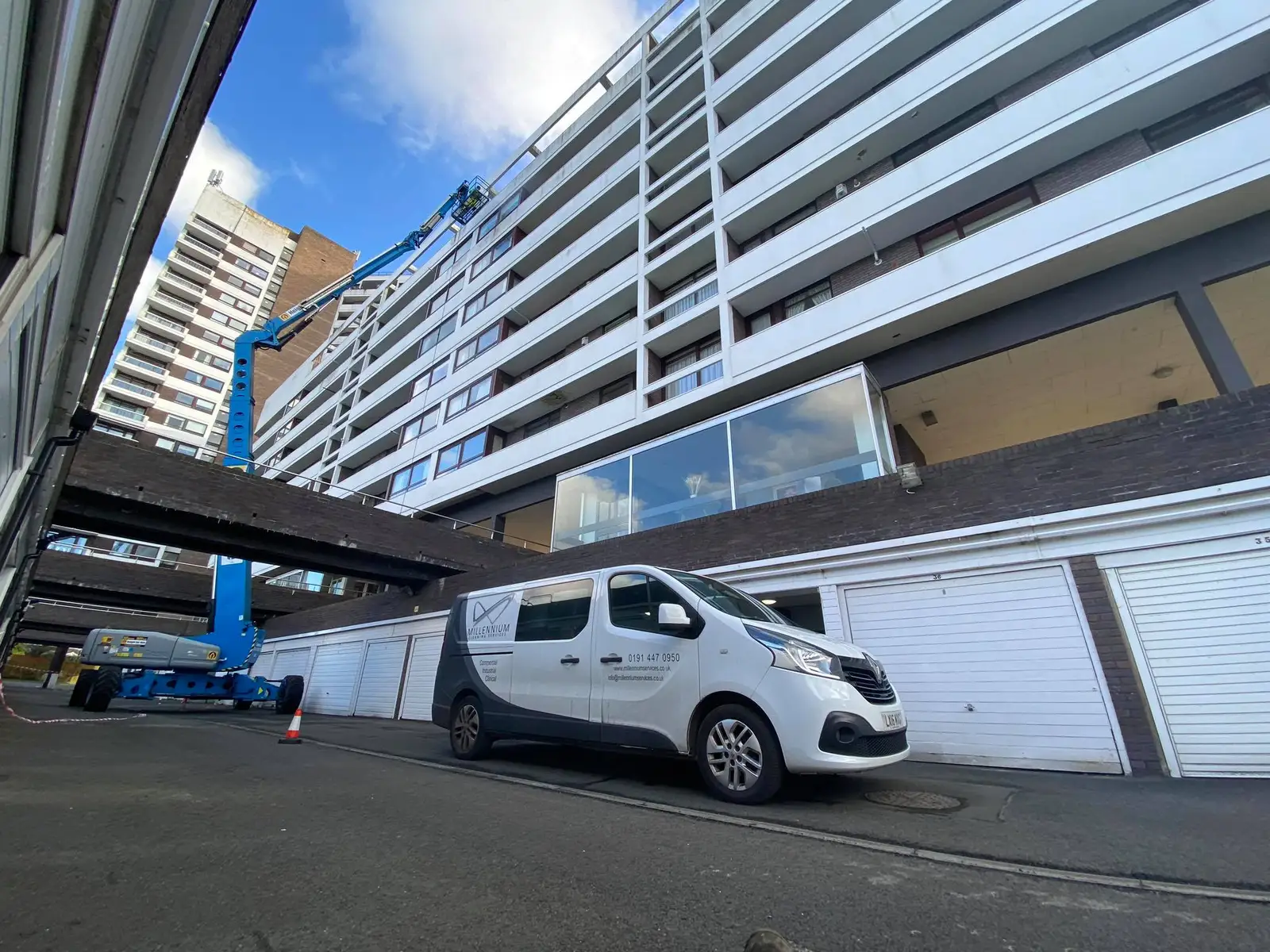
There is no single access method suitable for every building. Working height is only one consideration. Doorway dimensions, turning space, overhead obstructions, ground conditions and information about floor capacity can all influence the choice. A mobile elevating work platform may be appropriate in one area but unsuitable elsewhere. We confirm the proposed approach after assessing the premises.
Our confirmed access capability includes IPAF-certified access operatives, supported by NEBOSH-trained supervision. Your site procedures, access restrictions and equipment requirements are discussed before work begins. We also establish how the equipment will reach the work position, where it can be set up and which nearby activities need to stop. A safe route to the work area matters as much as the reach of the platform.
Protecting people, stock and production below
High-level cleaning changes the working environment beneath it. Dust, cleaning materials and access equipment need to be separated from people and normal traffic. We agree exclusion areas, barriers and communication with the site contact. Goods, machinery and finished surfaces may need covering, relocation or a different work sequence. Those arrangements are part of the scope rather than an afterthought.
Cleaning from higher surfaces towards lower ones can help avoid recontaminating completed work. Where a wider industrial clean is planned, overhead tasks can be coordinated with floor and equipment cleaning. However, the sequence depends on what can be isolated and when. We discuss production requirements and access windows before making a commitment about timing or the extent of any disruption.
Planning for factories, warehouses and public buildings
In a factory, the survey may focus on sensitive machinery and dust above production. In a warehouse, it may focus on racking, goods movements and loading areas. A commercial hall or shared building introduces different concerns, such as visitors, public entrances and the protection of finishes. The building type provides context, but it does not replace an assessment of the actual working area.
We can discuss a one-off high-level clean or a planned programme linked to the rate of build-up. Frequency should reflect the premises, not a blanket interval applied to every customer. Changes to stock layout, plant or building use may also change the access plan. Let us know about alterations before a repeat visit so that the method can be reviewed.
Information that helps avoid access surprises
Photographs taken from several positions can show obstructions hidden in a single upward view. A simple plan showing doors, aisles and proposed equipment routes is also useful. Please identify areas where the floor has been altered, where loading restrictions apply and where stock heights change frequently. We can then check the relevant details during the survey. Before attendance, confirm whether the layout still matches the agreed plan. A new rack, partition or parked machine can affect the working position even when the surface being cleaned has not changed.
Clear scope, practical handover and future maintenance
Your quote identifies the structures and surfaces included, together with access assumptions and any areas excluded. If a surface cannot be reached without additional provision, we explain that limitation. Cleaning will not correct corrosion, failing finishes or structural defects. Any concerns noticed during the work can be discussed with your site contact so that maintenance decisions remain separate from cleaning.
Millennium Cleaning Services has traded since 2014. Mark has 20+ years in the cleaning sector, and the business holds £10M public liability insurance. To arrange high-level cleaning in the North East, book a free site survey or call 0191 468 3228. Photographs of the overhead areas and available access routes are useful when making your initial enquiry.
Local pages
Explore high level cleaning in Newcastle, industrial and factory cleaning, specialist and biohazard cleaning, commercial carpet cleaning, book a free site survey for more information about the work and areas we cover.
Frequently asked questions
Which high-level surfaces can you clean?
We assess beams, ledges, racking tops, overhead structures and suitable cladding. The quote identifies the accessible surfaces included and any limitations.
Do you use mobile elevating work platforms?
Where suitable, a platform may form part of the access method. Height, floor conditions, obstructions and equipment routes are assessed before the method is confirmed.
Are your access operatives certified?
Our confirmed credentials include IPAF-certified access operatives and NEBOSH-trained supervision. We also hold £10M public liability insurance.
Will stock need to be moved?
Possibly. We discuss stock protection, relocation and access to individual bays with your warehouse or facilities contact during the survey.
Must the whole building close?
Not necessarily. Some work can be separated into controlled areas, while other tasks require a wider pause. The arrangements are agreed for the specific premises.
Can high-level cleaning be combined with factory floor cleaning?
Yes. We can assess both scopes and plan a sequence that considers debris from above, equipment protection and access to the floor.
How often should overhead areas be cleaned?
Frequency depends on dust build-up, building use and your own maintenance requirements. We can discuss repeat visits after assessing the condition and access.
How can I book a high-level cleaning survey?
Call 0191 468 3228 or use the contact page to book a free site survey. Tell us the site location, approximate height and areas requiring attention.
Book a free site survey
Tell us your site address, what needs cleaning and your preferred schedule.